Supporting climate action in your classroom

Our Teachers’ Toolkit helps you explore sustainable development, climate change, and climate action with secondary students. Containing interactive activities, engaging worksheets, and thought-provoking debates, this resource is a go-to for any post-primary teacher who wants to take a global citizenship approach to teaching about climate. Download it now and get inspired!

Our Transition Year Unit is a one-stop-shop for TY coordinators and teachers. This reframes our most popular activities as a 45-hour TY Unit on GCE and climate action. Use it whole or integrate it into other TY Units!

Lesson plans

Explore critical themes with a GCE approach! Each teacher-approved lesson plan contains activities, discussion topics and advice, along with a presentation, handouts, and ideas for action projects. Bring your class to life today!

2025 factsheets

Remember key data at a glance, and never be stuck for a fact again!

Thumbnail for sustainable development fact sheet
Sustainable Development
Ecological footprint
thumbnail for climate change fact sheet
Climate
Global justice
Poverty & Inequality

Video lessons

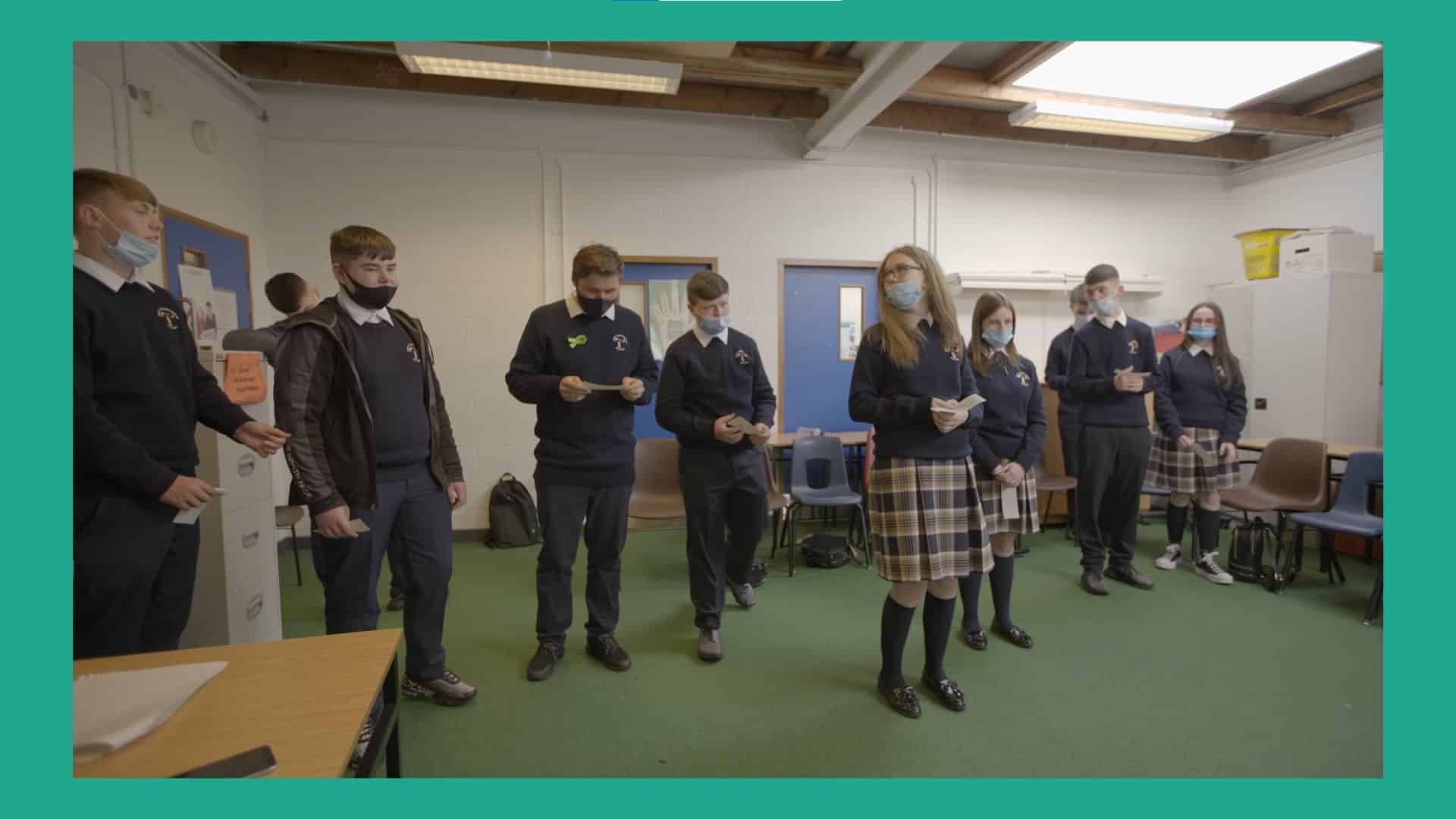
Want to get started on a new GCE theme? Don’t know where to start? These videos offer interactive, engaging ways to explore a range of issues with post-primary students in the space of a single lesson. Check below the video for worksheets, teachers’ notes and more activities!

GCE Video lessons

7 Videos

Our resources in action

These videos introduce the Action on Global Citizenship programme, and demonstrate some of the activities contained in the Toolkit.

Extra activities

Some activities in the toolkit can be supplemented with the following downloads. Download and print these for use with your students!

SDG Cards

Help your class become SDG experts (p. 9), or explore how development themes are interconnected with the SDG wool web (p. 10).

Power role play (p. 23)

Descriptions of individuals and institutions with the power to respond to climate. Who can work together? Who is in conflict?

Case Study: Dublin / Kigali (p. 28-29)

Compare the similarities and differences in the challenges faced by two cities. What’s at the root of these challenges?

The development of these resources was made possible by funding from Irish AId’s WorldWise Global Schools.

The ideas, opinons and comments therein are entirely the responsibility of the authors and do not necessarily reflect WWGS and/or Irish Aid policy.

to top